Prasanta Paul |
INDIA’s spectacular oil diplomacy in the midst of the ongoing war in the Gulf must have triggered a major heartburn within a section of the US administration in the wake of Iran officially stating that it will ensure a safe passage for Indian oil and LPG tankers through the Strait of Hormuz.
Hardly has the euphoria of breaking the voodoo (LPG & oil crisis) calmed the strained nerves in New Delhi when the US Commission on International Religious Freedom (USCIRF) decided to fire a salvo against India, releasing a report recommending sanctions against Research and Analysis Wing (R&AW) and the Rastriya Sawamsevak Sangh (RSS).
India has done what she deemed right and just; the MEA (Ministry of External Affairs) issued a strong rebuttal, categorically rejecting the ‘distorted’ report, dubbing it a biased and selective depiction of India.
In a hard–hitting statement, MEA spokesperson Randhir Jaiswal said: “For several years now, USCIRF had persisted in presenting a distorted and selective picture of India, relying on questionable sources and ideological narratives rather than objective facts. Such repeated misrepresentations only undermine the credibility of the commission itself.”
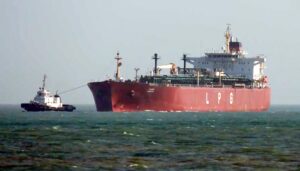
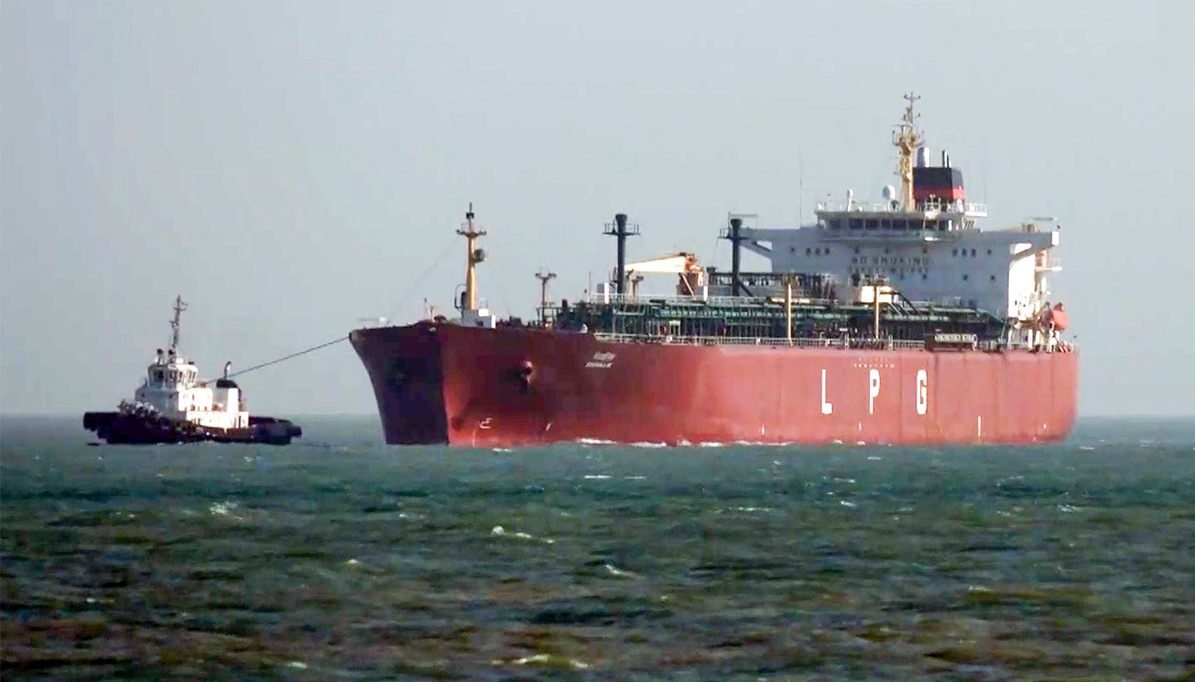
■ LPG tanker Shivalik, carrying liquefied petroleum gas, arrives at Mundra Port in the Kutch district of Gujarat after crossing the Strait of Hormuz, Monday, March 16, 2026 | IANS
Going further, Mr Jaiswal stressed that instead of persisting with selective criticism of India, the commission would do well to reflect on the incidents of vandalism and attacks on Hindu temples in the US, selective targeting of India and growing intolerance and intimidation of members of the Indian diaspora in US, which merit serious attention.
The 2026 USCIRF report recommended designating India a “Country of Particular Concern” (CPC) for the 7th consecutive year, citing alleged violations in 2025. It focused on alleged transnational repression involving R&AW, urging action against such acts.
The commission would do well to reflect on the incidents of vandalism and attacks on Hindu temples in the US, selective targeting of India and growing intolerance and intimidation of members of the Indian diaspora in US
The report called for sanctions on R&AW and RSS for their “responsibility and tolerance of severe violations of religious freedom by freezing those individuals’ or entities’ assets and/or barring their entry into the US.’
Interestingly, the report hit the headlines close on the heels of Shivalik, the LPG tanker carrying liquefied gas, sailed safely through the Strait of Hormuz and anchored at the Mundra Port in Gujarat on Monday, March 16, 2026, carrying approximately 45,000–46,000 metric tons of LPG, amid rising regional tensions, ensuring crucial energy supplies for India.
Nanda Devi, another tanker, carrying 46000 MT of LPG arrived today at the Jamnagar Port in Gujarat. This is particularly heartwarming for India in the backdrop of Iran refusing to allow safe passage for any ship except those of Indian origin through the Strait of Hormuz.
Secondly, this is also quite frustrating for US President Donald Trump who has been compelled to acknowledge that several of US allies have so far declined to participate in a naval coalition to liberate the key shipping route – Strait of Hormuz – Iran has effectively closed since US and Israel launched attacks more than two weeks ago.
The disruption has triggered a global oil crisis, driving the oil prices sharply up.
The USCIRF is an independent body, and its findings are not binding on the US administration. The USCIRF report aligns with a history of conflict between the panel and India, with New Delhi consistently rejecting its findings. ■